Novel Mediterranean rice management model to be developed to enhance biodiversity and improve water and soil quality

13102010-IMG_9907
The Remedi project, coordinated by Eurecat technology centre, will develop a new Mediterranean-wide management model for rice-growing systems aimed at integrating agriculture and wetlands to promote more sustainable practices that enhance biodiversity and improve water and soil quality. The initiative will focus on providing solutions to challenges such as climate change, water management, biodiversity conservation and food production. It also seeks to strengthen the role for farmers as key actors in wetland conservation, while fostering collaboration among research organisations, public authorities and other stakeholders.
“The project integrates rice cultivation and wetlands as a connected system that combines agricultural production and natura conservation” for the first time and will incorporate “innovative practices such as biodynamic farming and participatory water management, together with integrated monitoring of biodiversity, water and carbon” ReMedi coordinator Carme Estruch, researcher at Eurecat’s Climate Change and Ecosystem Services Unit.

The biodynamic farming activities within ReMedi are supported by the German partner merckens development support gmbh, which contributes its long-standing international expertise in biodynamic agriculture, soil fertility, and sustainable farming systems.

“This integrated approach, which can be applied across different Mediterranean countries, will generate replicable models that can inform future policies and support recommendations aligned with the objectives of the European Green Deal and the targets of the Nature Restoration Lawn”

Nil Álvarez, Director of Eurecat’s Climate Change and Ecosystem Services Unit.


The initiative will implement participatory methodologies based on Living Labs, actively involving farmers, researchers, NGOs and public authorities in the co-design of solutions. It will also include a monitoring system to assess biodiversity, carbon dynamics and water-related indicators in an integrated way.
Pilot sites in Spain, Egypt, Italy and Turkey

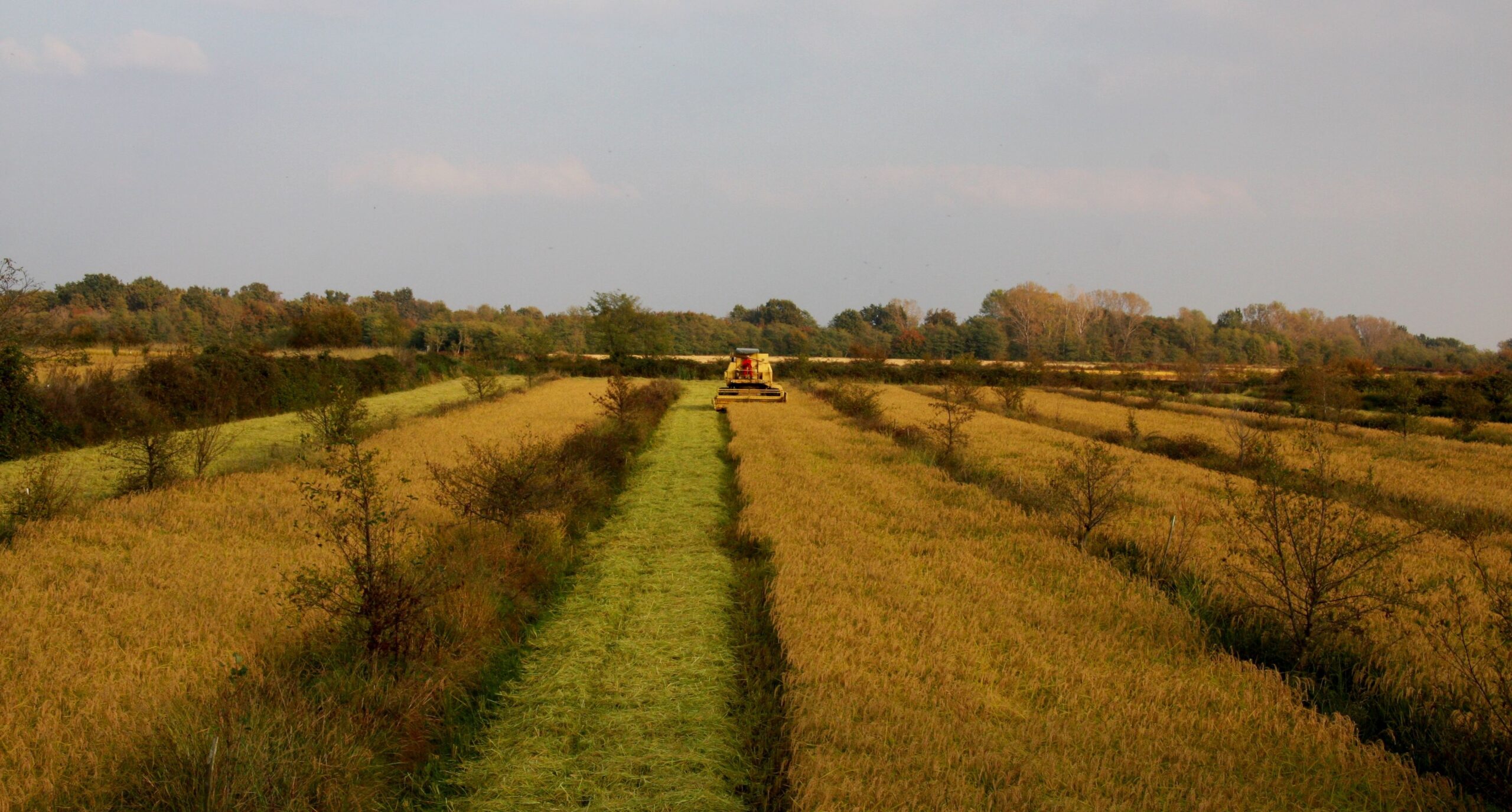
The project will be implemented in four pilot sites across Spain, Egypt, Italy and Turkey, where solutions will be adapted to the specific characteristics of each territory. In the Ebro Delta (Spain), activities will focus on reducing emissions and advancing towards carbon-neutral systems through improved water management.

In Egypt, the project will promote biodynamic agriculture using techniques to save water and adapt to drought conditions. In Italy, efforts will focus on organic farming and biodiversity conservation within intensive production systems. In Turkey, the project will explore alternative crops and farming models compatible with water scarcity and wetland conservation.

In addition to pilot implementations, SEO/BirdLife (Spain) and Doğa Derneği (Turkey) will jointly drive the creation of a trans-Mediterranean management model. This joint leadership ensures that policy recommendations and governance strategies reflect a balanced regional perspective across Mediterranean agroecosystems.

ReMedi has a total budget of €2.8 million and is funded by the PRIMA Programme.  The consortium is composed of partners from Spain, Germany, Egypt, Italy and Turkey, including Eurecat, Sociedad Española de Ornitología (SEO/BirdLife), merckens development support gmbh, Heliopolis University, Organic Egypt Foundation, Polyculturae, Università di Torino, Fondazione ACRA, Rete Semi Rurali, and Doğa Derneği.

Related articles...