

La iniciativa implementarà metodologies participatives basades en Living Labs, involucrant activament agricultors, investigadors, ONG i autoritats públiques en el codisseny de solucions. També inclourà un sistema de monitorització per avaluar de manera integrada la biodiversitat, la dinàmica del carboni i els indicadors relacionats amb l'aigua.
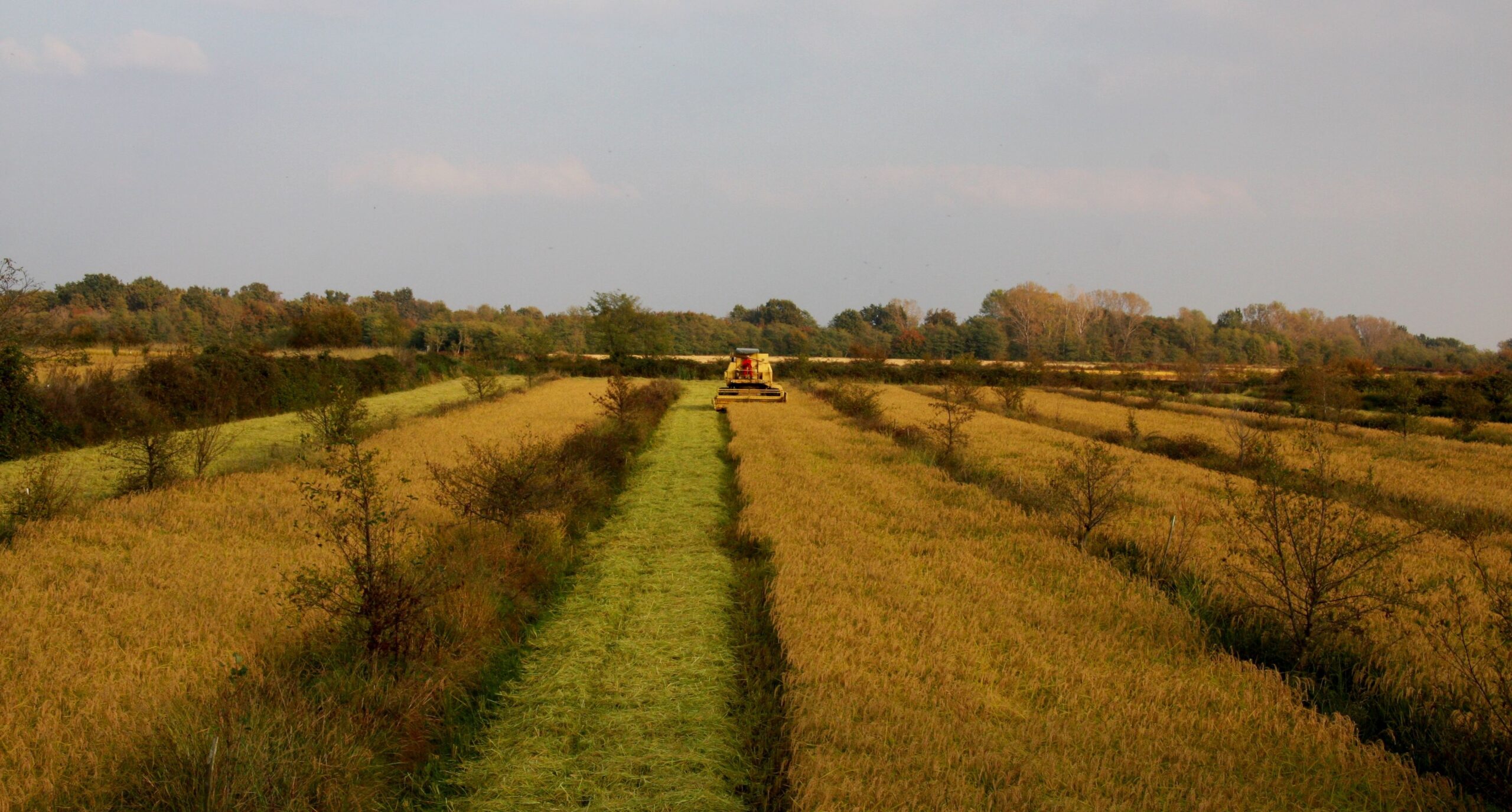
Llocs pilot a Espanya, Egipte, Itàlia i Turquia
El projecte s'implementarà a quatre llocs pilot across Spain, Egypt, Italy and Turkey, where solutions will be adapted to the specific characteristics of each territory. In the Ebro Delta (Spain), activities will focus on reducing emissions and advancing towards carbon-neutral systems through improved water management.
In Egypt, the project will promote biodynamic agriculture using techniques to save water and adapt to drought conditions. In Italy, efforts will focus on organic farming and biodiversity conservation within intensive production systems. In Turkey, the project will explore alternative crops and farming models compatible with water scarcity and wetland conservation.
In addition to pilot implementations, SEO/BirdLife (Spain) and Associació per a la Natura (Turkey) will jointly drive the creation of a trans-Mediterranean management model. This joint leadership ensures that policy recommendations and governance strategies reflect a balanced regional perspective across Mediterranean agroecosystems.
ReMedi has a total budget of €2.8 million and is funded by the PRIMA Programme. The consortium is composed of partners from Spain, Germany, Egypt, Italy and Turkey, including Eurecat, Sociedad Española de Ornitología (SEO/BirdLife), merckens development support gmbh, Universitat d'Heliopolis, Fundació Egipte Orgànic, Policultura, Università di Torino, Fondazione ACRA, Rete Semi Ruralii la Associació per a la Natura.